


Shopping Cart
Your cart is empty
Add some products to start your order. We ship all over Europe.
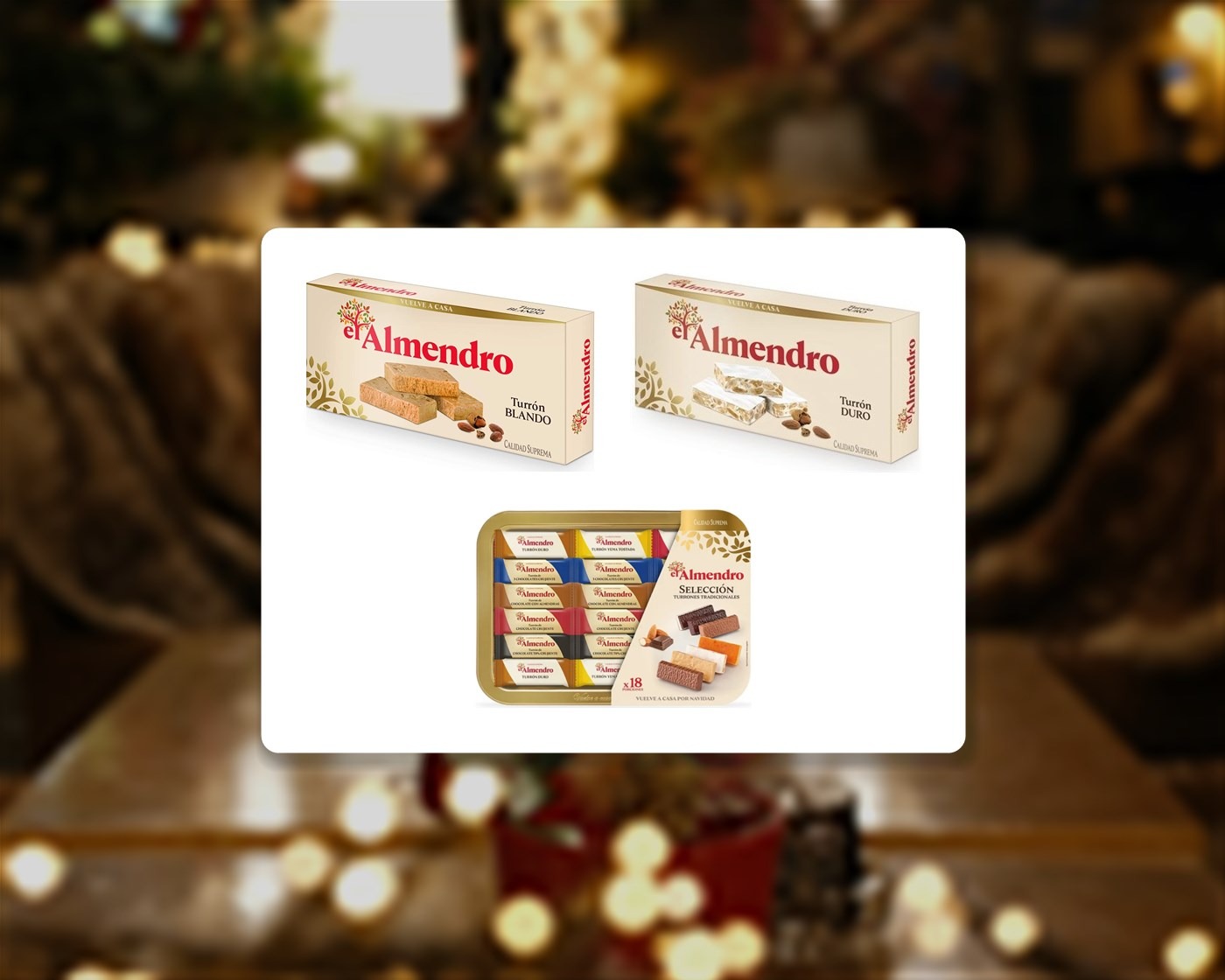
It happens every year: we buy several kinds of turrón for the festive season, open a few bars at once and, by January, there are half-eaten bars scattered around the kitchen. Knowing how to store turrón is the best way to keep those bars as good as on the first day, without the soft one hardening, the hard one going soft or the chocolate turning whitish. You don't need anything special: you just have to understand what harms each type and keep it in the right place.
Turrón is a very forgiving treat. It is made with ingredients that keep well, such as almonds, honey and sugar, and it also contains very little water. That is why the packaging does not usually show a use-by date but a best-before date, which for many turrones is several months or even close to a year from production.
This means that, once that date has passed, the turrón does not become dangerous overnight, but it may start to lose aroma, texture and flavour. It is best to eat it within that period and always check what each manufacturer says, because the times vary depending on the recipe.
As soon as we tear the wrapper, the turrón comes into contact with the air and the humidity around it, and the countdown begins. Each type reacts differently.
Hard turrón is one of the most resilient. Well wrapped, it keeps in perfect condition for several weeks. Its great enemy is humidity: if it is left exposed, the surface becomes sticky and loses the characteristic crunch of El Almendro Alicante turrón or 1880 hard turrón.
Soft turrón contains more natural almond oil, so its problem is the opposite: it tends to dry out and, over time, the fat can go rancid. Once opened, it is best eaten within two or three weeks. This is the case with El Almendro Jijona turrón or Delaviuda soft turrón, which should be kept tightly covered.
Chocolate turrones, such as classic Suchard turrón, keep well for a few weeks, but they are very sensitive to heat. If the temperature rises, the chocolate melts slightly and, when it cools down again, white marks appear on the surface. It is not dangerous, but it changes the texture and appearance.
Toasted egg yolk turrón and fruit turrón are somewhat more delicate because they contain more moisture. Once opened, they are best eaten within one or two weeks and should always be kept well sealed.
The perfect place for turrón is a cool, dry and dark cupboard or pantry, with a stable temperature of between 15 and 20 degrees Celsius. Keep it away from the oven, the hob, radiators and sunny windows, because heat and light make the almonds lose their flavour more quickly.
It is also important to keep it away from foods with strong smells, such as spices, coffee or cured sausages. Turrón absorbs aromas easily, and nobody wants a bar of Jijona that tastes of paprika.
In general, the fridge is not a good idea. It is full of humidity and smells, and the temperature changes when you take it out and put it back make the chocolate turn white and the hard turrón go soft. It only makes sense if you live somewhere very hot and have no other cool spot at home. In that case, keep it in an airtight container and take it out a while before eating it so that it recovers its texture.
And freezing it? You can, especially soft turrón, as long as it is well wrapped in cling film and placed inside an airtight bag or container. To defrost it, leave it in the fridge for a few hours first and then at room temperature, without removing the wrapping, so that no water forms on the surface.
There are small habits that make a big difference and that really show when it comes to serving it:
Another very practical option is to buy individually portioned formats, such as El Almendro soft turrón in portions. That way you only open what you are going to eat and the rest stays protected.
Usually, badly stored turrón simply loses quality, but there are signs worth watching out for. If it smells rancid or of old oil, if it tastes bitter or if mould appears, it is best to throw it away. On the other hand, white marks on chocolate or a hard turrón that has become a little softer are no reason to discard it: they only show that it has not been kept in the best conditions.
If you would like to learn more about each variety, our blog has an overview of the different types of turrón and of how turrón is made.
At Your Spanish Shop you will find a wide selection of Spanish turrones from El Almendro, Delaviuda, 1880, Suchard and Vicens, and we deliver them to your door so they are never missing from your Christmas table, wherever you are. And if you want to complete your order, take a look at all our Spanish Christmas products.
Comments (0)