


Shopping Cart
Your cart is empty
Add some products to start your order. We ship all over Europe.
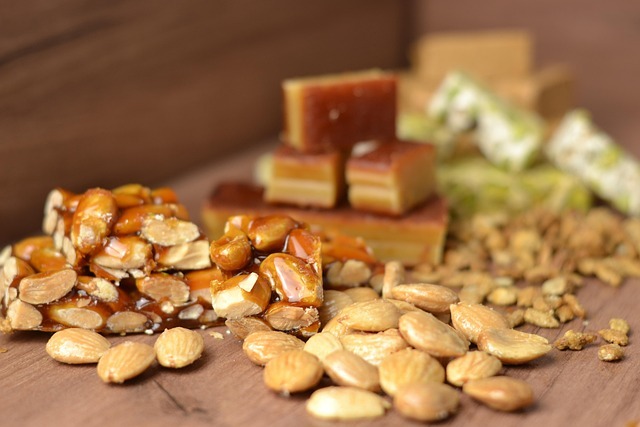
Few advertising slogans have stuck in Spanish memory quite like "1880, the most expensive turrón in the world". For decades, this brand's adverts have signalled the arrival of Christmas on television, and its name has become synonymous with quality turrón. But behind the slogan lies a family story that began in Jijona almost three centuries ago, and a way of making turrón that remains faithful to two ingredients: almonds and honey.
In this article we explain where the name 1880 comes from, why it became famous as "the most expensive turrón in the world" and which of the brand's products you can find at Your Spanish Shop.
1880 has its roots in Jijona (Alicante), where Bautista Sirvent founded an artisan turrón workshop in 1725. Since then, the recipe and the craft have been passed down from generation to generation within the same family, which still runs the company today. Jijona is, in fact, Spain's great turrón-making centre; if you want to know how this sweet got there, we explain it in our article on the origin of turrón.
For a long time, the art of making turrón was passed on by word of mouth, from parents to children. The brand's name refers to the year in which the family wrote down its turrón recipe: 1880. At first, that turrón was kept as a gift for relatives and employees, and it was not sold commercially until 1939.
When the family decided to sell its turrón, the choice of top-quality ingredients meant that it was expensive to make. Far from hiding this, they turned it into their main selling point: it was "the most expensive turrón in the world". From the 1960s onwards, when its adverts reached television, the slogan became hugely popular and is now part of Spanish Christmas culture. Rather than talking about price, the phrase conveys a very clear idea: a turrón made without cutting corners on ingredients.
The brand's two great classics are soft turrón and hard turrón, the most traditional varieties of a Spanish Christmas. Both are Calidad Suprema (Supreme Quality) and are covered by the Jijona and Turrón de Alicante Protected Geographical Indication, which guarantees their origin and production method.
1880 Jijona turrón is a creamy bar made with selected toasted almonds, which make up 70% of the recipe, and orange blossom honey. The almonds are ground and worked until they form a smooth, rich paste with an intense toasted nut flavour. It is also gluten-free, so it is suitable for people with coeliac disease.
1880 Alicante turrón is the crunchy version: whole toasted almonds (67%) bound with orange blossom honey and egg white, all covered with a thin wafer. Its firm texture and the starring role of the almond make it a favourite in many families. If you want to know how it is made, we explain it step by step in our article on how hard turrón is made and what it contains.
The main difference between the two is texture. In Alicante turrón the almonds stay whole and crunchy, while in Jijona turrón they become a paste that melts in the mouth. Choosing one or the other is a matter of taste, although on most Christmas tables both end up appearing.
As well as its turrones, 1880 makes other typical festive sweets with the same philosophy: selected almonds and traditional recipes.
1880 artisan almond polvorones have a fine texture that crumbles at the first bite. They are made with toasted flour, almonds (28%) and a touch of cinnamon, and finished with the classic dusting of icing sugar.
1880 artisan almond mantecados are Calidad Suprema and follow the traditional recipe with selected Mediterranean almonds. If you have ever wondered how they differ from polvorones, we explain it in our article on the difference between polvorón and mantecado.
1880 artisan marzipan figures are Calidad Suprema and made with 50% almonds. They have a tender, delicate flavour and are gluten-free. They are perfect for completing the tray of sweets and are especially popular with children. Find out more about this classic in our article on Christmas marzipan.
To appreciate the full flavour of the almonds, keep the turrón in a cool, dry place away from heat and open it shortly before serving. Hard turrón is easier to cut with a large, sturdy knife, while soft turrón can be sliced a little more thinly.
When it comes to pairing, turrón goes very well with a sweet wine or a glass of cava, the star of every festive toast. You will find some suggestions in our article on cava for Christmas. And if you are looking for a special gift for someone who lives outside Spain, a bar of 1880 is always a winner.
At Your Spanish Shop we know that Christmas is not the same without the flavours you grew up with. That is why our online shop offers a wide range of turrones, polvorones, marzipan and Christmas sweets from the best-known brands, and we ship to many European countries so you can enjoy them wherever you are. If you want to compare with other brands, we recommend our article on the best turrones in Spain. And if you already know what you want, discover 1880 Jijona turrón and 1880 Alicante turrón and give your Christmas table the touch of Spain's most famous turrón.
Comments (0)