


Shopping Cart
Your cart is empty
Add some products to start your order. We ship all over Europe.
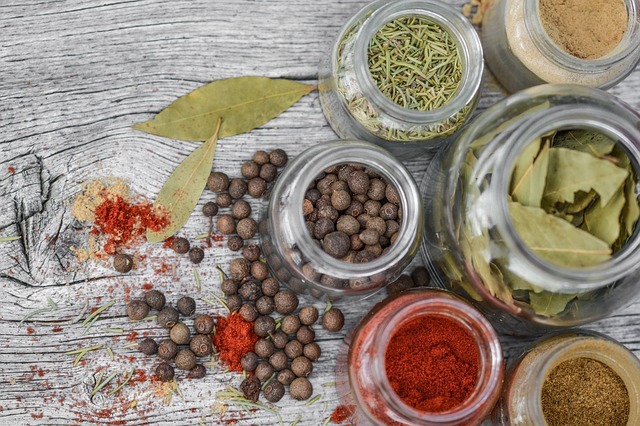
Cooking Spanish dishes when you live in another country can be tricky, especially when some ingredients have different names, are sold in unusual formats, or are hard to find in local supermarkets. However, many traditional recipes rely on a relatively simple larder in which spices play an essential role.
Carmencita is one of those brands that features in countless Spanish kitchens. Its seasonings allow you to recreate familiar flavours and prepare everything from a Sunday rice dish to a vegetable stew, even when you’re hundreds or thousands of kilometres away from Spain.
Spices are particularly handy for those living abroad because they keep for quite a long time and take up hardly any space. With just a few jars and sachets, you can prepare a wide variety of dishes, enhancing the flavour of meat, fish, rice or vegetables without needing to resort to complicated preparations.
The secret lies in choosing versatile seasonings that feature frequently in Spanish cuisine. Paprika, garlic, oregano and bay leaves provide a recognisable base; from there, you can add specific blends for particular dishes, such as those for paella or seasonings designed for meat.
Paprika is one of the most characteristic ingredients in Spanish cuisine. It adds colour and depth, although it must be used sparingly as it can easily overpower the dish. There are sweet and hot varieties, so it is useful to have at least one of each to suit every household’s tastes.
In vegetable stews, a small amount helps to create a warm, recognisable flavour base. It can also be added to stewed potatoes, sprinkled over boiled octopus or used to season vegetables before roasting them in the oven.
Rice holds a special place in Spanish cuisine, although cooking paella outside Spain can be tricky when it’s difficult to source all the usual spices. Carmencita’s ready-made mixes and saffron help simplify this process, as they bring together the seasonings needed to impart the dish’s characteristic aroma and colour.
These mixes allow you to focus on equally important aspects, such as preparing a good sofrito, measuring the stock correctly and ensuring the rice is cooked for the right amount of time. The result will also depend on the ingredients chosen, but having a well-balanced seasoning mix reduces the risk of the rice tasting bland or being overly spicy.
Chicken lends itself to a wide range of preparations and allows you to make the most of various basic spices from your cupboard. Garlic adds intensity, whilst oregano brings a dry, aromatic note that works particularly well in oven-baked recipes. Thyme, meanwhile, pairs well with slow-cooked meats and helps to create a flavour reminiscent of Mediterranean cuisine.
A simple mixture of garlic, olive oil and oregano can be used to marinate chicken thighs or drumsticks before roasting them. Adding a little lemon juice will give a fresher result; for a recipe with a deeper flavour, you can add thyme and let the chicken cook alongside some potatoes.
You can also use specific chicken seasonings, particularly when you need to prepare a quick meal.
Pulse dishes are a staple of everyday Spanish cuisine and are particularly popular during the colder months. Lentils, chickpeas or beans can be prepared with simple ingredients, though they need an aromatic base to give the stew depth.
Bay leaves are usually added during cooking and removed before serving. Their presence is subtle, but they help to give depth to the stock; one or two leaves are usually enough for a family-sized casserole. Cumin has a more intense flavour and should be used sparingly, especially when ground.
These spices also make it possible to adapt pulses to a diet with less meat. A well-cooked sofrito, accompanied by paprika and bay leaf, can create a complete dish without relying on cured meats.
Fish generally benefits from seasonings that complement its flavour without overpowering it. Parsley and garlic are a common combination in Spanish cuisine, particularly in dishes cooked on the griddle, in the oven or in a sauce. Pepper adds a slightly spicy undertone and helps to bring out the overall flavour.
For baked fish, you can prepare a mixture of oil, garlic and parsley, spreading it over the fish before cooking. With thin fillets, it’s best to use less garlic to maintain the balance; with firmer-fleshed fish, the seasoning can be a little more intense.
Hoarding lots of spices can be impractical if you then struggle to remember what each one is used for. A practical larder should be tailored to the recipes you cook regularly; therefore, it’s best to start with a few versatile spices and expand your selection as new needs arise.
It can be helpful to group them mentally according to their use. Paprika and bay leaves are associated with stews, whilst oregano and thyme are reserved for meat or vegetables. Garlic, parsley and pepper work well in a wide range of dishes, so it’s a good idea to keep them readily to hand.
It’s also a good idea to check your stock before placing a new order. This way, you can top up the seasonings that are running low and avoid buying duplicates of those you hardly ever use.
At Your Spanish Shop, you can find Carmencita products to prepare your usual recipes, even if you live outside Spain. Just a few spices are enough to bring back that familiar aroma from the kitchen to a rice dish, a stew or a fish dish; because feeling close to home sometimes starts with opening a jar of spices.
Comments (0)