


Shopping Cart
There are no more items in your cart
Types of flours for desserts and their qualities
- Current Affairs
- 0 likes
- 705 views
- 0 comments
Flour is one of the most versatile and essential ingredients in the kitchen. It´s used daily in thousands of recipes, but not all flours are the same or serve the same purpose. Choosing the right type can make the difference between a fluffy cake and a dense one, between an airy bread and a compact one.
Pastry Flour: Fineness and Lightness for Delicate Sweets
Pastry flour is characterized by its low protein content, around 7% to 9%, which translates into a lower amount of gluten. This characteristic makes it ideal for preparations that don´t require a large structure, such as cookies, muffins, shortcrust pastries, tarts, or very light cakes. Because it contains less gluten, the resulting dough is softer and less elastic, which favors tender and crumbly textures, precisely what is sought in many desserts.
Another important aspect of this flour is its milling rate. It´s usually much more refined than other types of flour, which helps it blend easily with other ingredients such as sugar, eggs, or butter. This allows air to be incorporated into doughs more efficiently, resulting in a lighter, more even texture.
In addition, it tends to absorb liquids better, facilitating even moisture distribution throughout the dough.
Cake Flour: Formulated to Rise
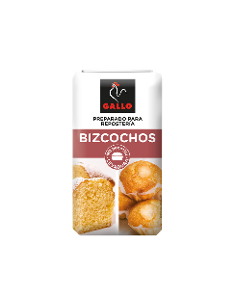
Although many people use cake flour interchangeably to make cakes, there is a variant specially formulated for this purpose: cake flour. This type of flour has a carefully formulated composition; it usually includes a leavening agent such as baking powder already incorporated into its mix, which helps the dough rise during baking without the need for additional yeast. The protein content is also low, as with cake flour, but its combination with other ingredients is designed to provide more volume, softness, and stability to the final product.
Using this flour is especially useful when you want to make cakes with a tender, fluffy crumb, without fussing with exact recipes. Just add eggs, sugar, and liquids, and the balanced flour mix does the rest. For this reason, it´s very common to see it in recipes designed for those who want reliable and quick results.


Cake ShopView Cake Shop ›
Strong Flour: The Queen of Bread and Pastries
Unlike the previous flours, strong flour contains a high protein level, generally above 11%, and in many cases reaching up to 14%. This protein content leads to greater gluten production when mixed with water and kneaded. Gluten provides elasticity and strength to the dough, allowing it to better retain the gases generated during fermentation. Therefore, strong flour is the most suitable for fermented bakery and pastries, such as artisan breads, brioches, King Cakes, pizzas, or any recipe that requires a dough with body and rising capacity.
This flour needs to be worked harder. Kneading is key to unleashing its potential. A dough made with strong flour will be more elastic and firm, ideal for withstanding long fermentation without collapsing. It also allows for a crispier crust and a crumb with well-defined alveoli.
Although not commonly used in traditional pastries, it is also used in preparations such as puff pastry or croissants, as it allows for thin layers without breaking easily.
Choosing the right flour for the recipe
Each type of flour performs a specific function, and choosing the wrong one can completely alter the result. Using strong flour in a cake can make it too compact and with a heavy crumb, while using pastry flour in a bread dough can prevent it from forming the necessary structure for rising. It is essential to understand the characteristics of the product being made and adjust the flour to those needs.
Nowadays, there are also many flours labeled as "multipurpose" or "general purpose," which seek to offer a balance between strength and lightness. Although they can be practical in some situations, for fine pastries or artisan bakeries, it´s best to opt for specific flours.
The Value of Small Details
Many home bakers and pastry chefs overlook the importance of flour type, focusing solely on other ingredients. However, understanding how flour works in a recipe allows for much greater control over the outcome. Even small variations in the type or amount of protein can make the difference between a good dessert and a great one.
Beyond the type of flour, factors such as the dough´s resting time, ambient humidity, and oven temperature also affect the process. But it all starts with a good foundation, and that foundation is always flour.
Your Spanish Shop: quality and tradition in your kitchen
At Your Spanish Shop, we work to make cooking at home an authentic and satisfying experience. We know that small details make great recipes, and that´s why we select specific flours for each type of preparation: from finely ground baking flours to strong flours ideal for homemade bread.
We feature trusted brands, many of them Spanish, so you can recreate traditional flavors at home. We also ship throughout Europe, providing personalized service and advice if you need it.
Comments (0)