


Shopping Cart
There are no more items in your cart
Evaporated milk, cream and condensed milk: differences and uses in cooking
- Current Affairs
- 0 likes
- 450 views
- 0 comments
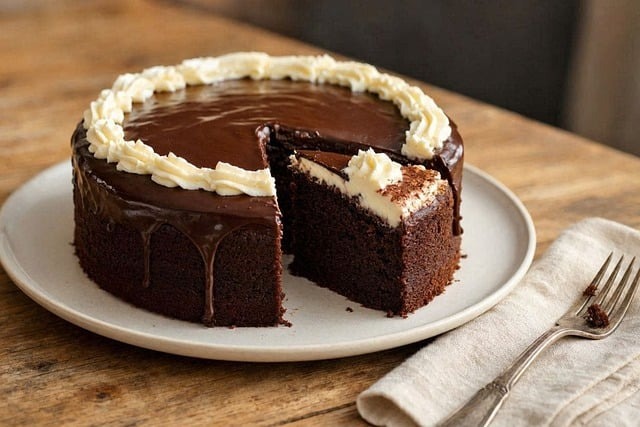
Evaporated milk, cream and condensed milk all share the same origin, but their behaviour in the kitchen differs considerably. All three are derived from milk and are used to add creaminess, mellow flavours or improve the texture of numerous dishes. However, their composition and production process mean that each is best suited to different recipes.
Distinguishing between these products helps to avoid common mistakes, especially when a recipe uses terms that may vary from one country to another. It also helps you find alternatives when an ingredient is missing and you need to adapt the dish using what you have to hand.
What is evaporated milk?
Evaporated milk is produced by removing a significant proportion of the water present in ordinary milk. The result is a more concentrated product, with a slightly creamy texture and a mild flavour that retains its milky character.
During production, the milk undergoes a controlled heating process that reduces its water content. It is then packaged and sterilised to ensure a long shelf life.
One of its main advantages is its versatility. Evaporated milk can be used in sweet dishes, although it also works very well in savoury recipes. It adds body without reaching the thickness of cream, allowing you to prepare lighter sauces or creams with a balanced texture.
It can be used in purées, soups, gratins and pasta dishes. It is also useful for mellowing stews containing strong spices or ingredients with a certain acidity. In baking, it helps to make custards, sponge cakes and creams more moist.
Cream and its higher fat content
Cream is made from the fat fraction of milk. Its texture is denser and creamier than that of evaporated milk, giving it a richer mouthfeel. The fat content can vary depending on the type of cream and the purpose for which it has been produced.
Cooking cream usually has a moderate fat content. It is designed to blend easily into sauces, creams and hot dishes. Its consistency allows it to thicken a dish whilst adding a distinct milky flavour.
Whipping cream has a higher fat content. It is commonly used to decorate cakes, serve with desserts or make fillings.
In savoury recipes, cream creates thick sauces that cling well to pasta or meat. It also helps to mellow the flavour of certain cheeses and balance dishes containing strong-flavoured ingredients. It is best added over a moderate heat to reduce the risk of it curdling.
Why is condensed milk sweet?
Condensed milk is also made by removing some of the water from the milk, although a considerable amount of sugar is added during the process. This difference explains its thick texture and distinctly sweet flavour.
Sugar acts as a preservative and helps to keep the product in good condition for a prolonged period. Once the packet has been opened, it should be stored in the fridge and consumed in accordance with the manufacturer’s instructions.
Its thickness makes it suitable for use as a base for preparing creams, fillings and toppings. It can also be added directly to coffee or used to sweeten milkshakes. In many traditional recipes, it replaces sugar and some of the dairy ingredients.
Condensed milk features in desserts such as custards, cold cakes and homemade ice cream. Due to its high sugar content, it is advisable to adjust the quantities of other sweet ingredients in the recipe.
Key differences between these three products
The most obvious difference lies in the flavour. Evaporated milk has a fairly neutral flavour profile, whilst sweetened condensed milk has an intense sweetness. Cream has a richer, more velvety flavour.
The texture also differs. Evaporated milk is more fluid, although it has more body than ordinary milk. Cream is creamier and can thicken during cooking. Sweetened condensed milk has a very thick consistency, which allows it to be incorporated into batters or creams without adding too much liquid.
Another important aspect is its culinary use. Evaporated milk lends itself easily to both sweet and savoury recipes. Cream is usually used when a richer, creamier texture is desired. Sweetened condensed milk is mainly reserved for desserts and sweet drinks.
These differences mean that direct substitution can alter the result. Replacing cream with evaporated milk reduces the fat content and produces a lighter texture. Using condensed milk instead of evaporated milk alters the sweetness, so the recipe will need to be adapted.
Find Spanish ingredients wherever you are
At Your Spanish Shop, you can find common Spanish kitchen staples and have them delivered outside Spain with ease. The range available allows you to rediscover familiar flavours, prepare traditional recipes and discover new ways to use ingredients that are a staple of our pantry.
Whether you need condensed milk for a dessert or are looking for other Spanish products that are hard to find, you can place your order online and have it delivered straight to your door. Your Spanish Shop brings you food from well-known brands so you can continue to enjoy your favourite recipes, no matter how far away you are.
Comments (0)