


Shopping Cart
There are no more items in your cart
Canned in oil, escabeche or sauce: what changes between them
- Current Affairs
- 0 likes
- 458 views
- 0 comments
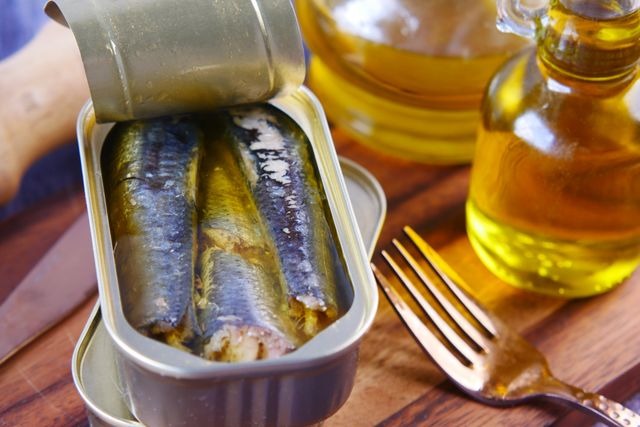
Canned foods have been part of the Spanish pantry for generations, since they let you enjoy fish all year round and make it easy to prepare appetisers or quick meals. However, the liquid that accompanies the product changes its flavour, influences the texture and shapes the way it is served. Understanding the main types of canned fish helps you choose the most suitable option for each recipe.
Oil preserves the original character of the fish and gives it a juicy texture; escabeche introduces an acidic, aromatic note, while sauces create more complete preparations that can be served straight away. Each option has its own personality and lets you turn a simple ingredient into a different dish.
What oil brings to canned fish
Canned foods in oil are probably the most common in Spanish kitchens. They are used with tuna, bonito, sardines and other fish that hold their structure well during the production process. The oil wraps around the piece and helps preserve its juiciness, as well as acting as a vehicle for the product's own aromas.
The result usually has a clean, easy-to-combine flavour. For this reason, a canned food in oil can be added to a salad or placed on a slice of bread without needing to add too many ingredients. It also works well in pies and pasta dishes, where the fish has to blend with other flavours without losing prominence.
When olive oil is used, the canned food takes on a more intense character and an especially pleasant texture. Versions made with milder oils let the flavour of the fish stand out, so the choice will depend on the result you want to achieve.
The covering liquid can also be used in cooking. A small amount serves to dress a salad or add flavour to a toast; before using it, it is worth assessing its intensity and checking that it goes with the rest of the recipe.
What escabeche is and why it has such a recognisable flavour
To understand what escabeche is, you have to think of a traditional technique that combines an acidic medium with oil and spices. Vinegar plays an essential role, as it provides the characteristic flavour and helps preserve the food; around it an aromatic preparation is built that can vary depending on the recipe.
Canned foods in escabeche have a more pronounced profile than those made only with oil. Their acidity wakes up the palate and balances fish with a fatty texture, such as mackerel or sardines. It is also especially common with mussels, where the sauce blends with the marine flavour and creates one of the best-known appetisers of Spanish gastronomy.
Escabeche can be milder or more intense, depending on the proportion of vinegar and the resting time. Some recipes have a reddish tone due to the presence of paprika; others keep a lighter colour and give more importance to the aromas of the spices.
This type of canned food can be served straight away at room temperature, although it also allows more elaborate combinations. Mussels in escabeche work well on boiled potatoes or in a warm salad; mackerel can be paired with roasted vegetables, using the acidity of the sauce to add contrast.
Canned foods in sauce: a ready-to-serve preparation
Canned foods in sauce start from a different idea, because the fish is presented within a preparation that already incorporates much of the final flavour. Recipes with tomato are very common, as are seafood-inspired sauces or those that include a spicy touch.
A canned food in sauce can quickly become the centre of a meal. Just heat it gently and serve it with rice or bread, although many varieties are also eaten cold. The sauce adds moisture and lets the product keep a pleasant texture even after prolonged storage.
This group includes very recognisable preparations, such as squid in its ink or sardines with tomato. In both cases, the covering liquid is as important as the fish, since it defines the character of the canned food and shapes the possible accompaniments.
Intense sauces work better in simple dishes, where they can unfold all their flavour. A can of squid can be served over white rice; sardines with tomato fit on a warm toast and can also be used to complete a pasta recipe.
Which canned food to choose for each moment
The choice depends on the use you are going to give the product. To prepare a salad or a sandwich, canned foods in oil offer a versatile base that can be combined with vegetables or crunchy bread. They are also suitable when you want to clearly appreciate the quality of the fish.
Canned foods in escabeche work especially well as an appetiser, because their acidity stimulates the appetite and adds intensity with very little preparation. They can be served in their own tin or transferred to a plate, accompanied by a little bread.
Versions in sauce are appropriate when you are looking for a quick meal with a more elaborate flavour. Their liquid can be fully used and lets you complete a hot dish in a few minutes, something very useful when you have little time to cook.
How to keep the product after opening the tin
Once opened, the canned food should be kept in the fridge if it is not fully consumed. It is best to transfer the contents to a clean airtight container, keeping the fish covered by its oil or sauce to prevent it from drying out.
It should be consumed within a short period, because the product is no longer protected by the original seal. It is also important to use clean utensils and avoid leaving the canned food open for a long time at room temperature.
A Spanish pantry full of possibilities
At Your Spanish Shop we bring together Spanish canned foods capable of solving anything from an improvised appetiser to a complete meal. You can choose the clean flavour of oil, the intensity of escabeche or the character of a good sauce; we bring those products to your home so that opening a tin feels once again like sitting down to eat in Spain.
Comments (0)