


Shopping Cart
There are no more items in your cart
A comprehensive guide to choosing a ham for Christmas
- Your Spanish Shop
- Current Affairs
- 7 likes
- 63 views
- 0 comments
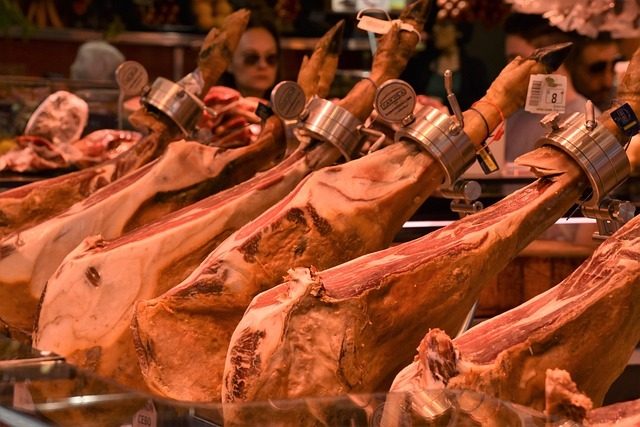
Christmas is one of those times of year when ham takes centre stage at the table. Whether served as a starter, as part of a platter of Iberian cured meats, or as a special culinary treat to surprise family and friends, choosing the right ham can make the difference between a decent celebration and a truly memorable one. However, despite being such a staple of Spanish culinary culture, it isn’t always easy to make the right choice from so many varieties. This guide aims to walk you through the process step by step so that, when the time comes, you can be confident you’re choosing the perfect ham for you.
Serrano or Iberian ham: two worlds, two experiences
The first major decision comes when distinguishing between Serrano ham and Iberian ham. Serrano ham comes from white-breed pigs and offers a milder, more straightforward and accessible flavour. It is a highly regarded option due to its good value for money and its versatility in the kitchen. Iberian ham, on the other hand, comes from Iberian pigs, a unique breed with distinctive characteristics that give it a deeper, more complex flavour. Its marbling, succulent texture and ability to develop aromatic notes make every slice a unique experience. From a gastronomic perspective, Iberian ham is the ham par excellence for special occasions. If Christmas is all about celebration and tradition, Iberian ham is usually the right choice.
The diet factor: feed, free-range rearing and acorns
In the case of Iberian ham, the animal’s diet is a decisive factor in determining its quality. A pig fed exclusively on high-quality feed and reared on farms will produce a more consistent ham. Cebo ham is often the gateway to the world of Iberian ham and is perfect for those seeking a more intense experience than Serrano ham without breaking the bank. Cebo de campo combines a diet of feed with life in the open air. This allows the animal to move around, exercise and develop different musculature, resulting in a ham with a better texture, more nuances and a much-appreciated balance. Acorn-fed ham is the pinnacle of gastronomy. These pigs live in dehesas, roam freely and, during the montanera, feed on acorns, grasses and roots. The fat becomes supple, with a nutty aroma and an almost silky texture. It is the ham associated with special celebrations, the one that is remembered for years to come and that makes Christmas a truly exceptional occasion.
The curing time: patience that tastes of tradition
Curing is another decisive factor. A Serrano ham is usually cured for between nine and fifteen months, and this curing period determines the intensity of its flavour. Iberian ham, on the other hand, needs more time to develop. Cebo hams are usually cured for around two years, whilst acorn-fed hams can be cured for three years or even longer. A prolonged curing period allows the aromas to concentrate, the fat to distribute evenly, and the texture to reach that unmistakable juiciness. However, some people prefer milder hams, whilst others seek intensity and depth. The important thing is to know what kind of experience you’re looking for to make the right choice.
Whole leg or pre-sliced: choose according to the occasion
The choice between a whole leg or a pre-sliced format depends on how you intend to use it and the number of guests. A whole leg is ideal for large families or for those who enjoy the art of carving ham. Pre-sliced ham, on the other hand, offers immediate convenience. It usually comes in vacuum-sealed packets that preserve freshness and allow you to open only what you’re going to eat. It’s perfect for small households, celebrations where there’s little time for preparation, or for those looking for impeccable service without the hassle. There are also intermediate formats such as boneless centres, which are very useful for those who want quality ham and an easier cut with a knife or machine. At Christmas, when there is so much to do, these formats can simplify the organisation.
Origin and trust in the producer
The origin of the ham indicates more than just a geographical area: it reflects the climate, tradition and livestock farming practices. Areas such as Guijuelo, Extremadura, Jabugo or Los Pedroches enjoy a well-deserved reputation. Choosing a ham with a designation of origin or from a recognised producer provides assurance and peace of mind. The seller’s transparency is also key. A good shop explains the type of pig, the feed, the curing process and provides clear information on each piece. Having a reliable seller is just as important as the ham’s grade itself, especially at Christmas, when demand is high and prices can fluctuate.
How to know if a ham is right for you
Beyond the labels, the most important thing is to find a ham that suits your preferences. If you like mild, balanced flavours, a Serrano Reserva or an Ibérico de Cebo might be just the thing. If you enjoy deeper flavours, extreme juiciness and toasty aromas, then an Ibérico de Bellota is definitely worth trying.
Your Spanish Shop: tradition, quality and Spain at your fingertips
At Your Spanish Shop, we know that choosing the right ham for Christmas isn’t just a matter of taste, but also of trust. Our catalogue brings together a selection of Serrano and Iberian hams from Spain’s finest producing regions, always with clear information and a guarantee of quality. We have a special focus on those living outside Spain who wish to maintain their traditions, which is why we offer secure international shipping and a personalised service to answer any queries.
Comments (0)